
Heating Oil Tanks
Shop central heating heating oil tanks for every property. Choose from a wide range of oil tanks for home heating, including compact and slimline options. We stock bunded tanks ranging from 650 litres to 2500 litres and single skin oil tanks from 650 litres to 1360 litres. Not sure which is right for your property? Get in touch for tailored advice.
Showing 25–31 of 31 results


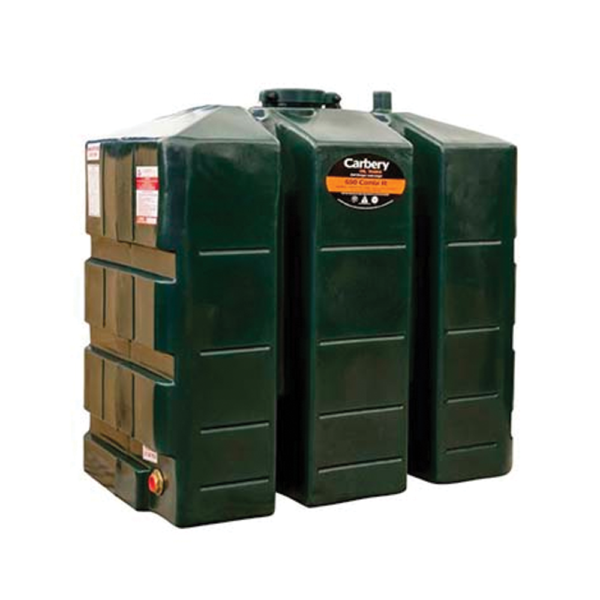
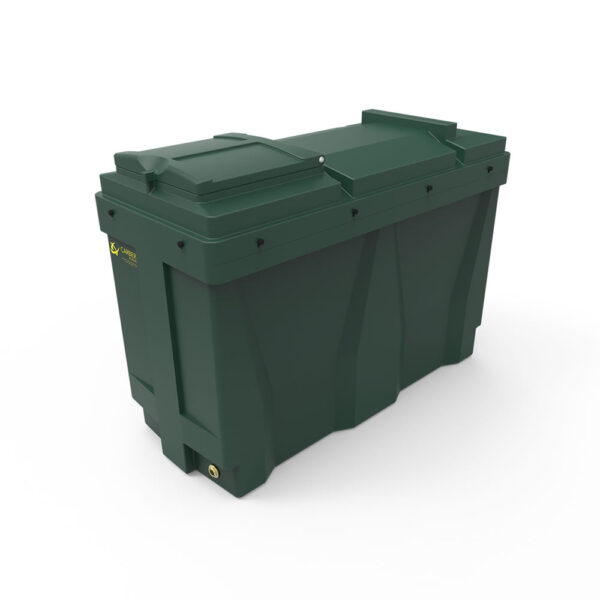
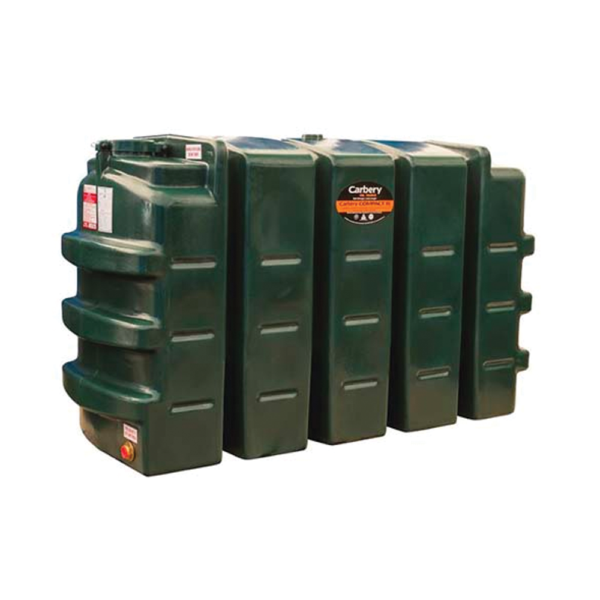
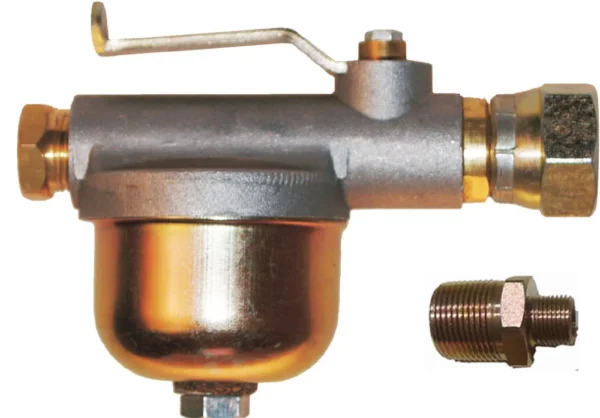
Showing 25–31 of 31 results
What is a Residential Heating Oil Storage Tank?
A residential heating oil storage tank is a specialist tank designed for storing heating oil to be used by an oil boiler. These are commonly stored outside a property or in a basement space. Due to the potentially hazardous contents of the storage tank, there are restrictions on where a residential heating oil storage tank can be placed.
How to Choose a Central Heating Oil Tank
To make the right choice for your home, think about the size of the property and the number of inhabitants. A standard estimate is 500 litres per bedroom, plus an additional 500 litres for the lounge. You’ll also need to think about the location of the tank, security considerations and minimum oil delivery restrictions. A larger tank will allow you to make the most of bulk pricing when oil is cheaper.
Heating Oil Tanks Frequently Asked Questions
How do residential heating oil tanks work?
A residential heating oil tank is typically made from plastic or steel. It is placed outside a property or in a basement with a direct fuel line to the boiler.
These tanks store liquid fuel, usually kerosene, which is delivered to the property by a large tanker. This heating method is popular for residential properties that cannot connect to mains gas.
Many residential heating oil tanks are bunded, which means they have a double layer to help protect against leaks and spills. There is a smaller tank inside which holds the fuel, and then a second layer sits around this.
Heating oil tanks have a fill pipe that allows the tank to be filled, and then a fuel line that directs the liquid fuel to the boiler. This is a suction line situated just above the bottom of the tank. This helps to prevent grime and debris from being pulled into the heating system.
What are the main types of heating oil tanks?
Heating oil tanks are usually defined by their containment design (bunded or single layer), their material (metal or plastic) and their placement (above or below ground).
The most popular type of tank for a residential property would be a bunded plastic tank placed above ground. This design offers excellent durability, is cost-effective, and can easily be inspected for leaks and damage.
Should I choose a double wall or single wall heating oil tank?
This all depends on the placement. A double wall or bunded tank is a popular choice with homeowners as it offers built-in leak protection. They’re also able to withstand harsh conditions when placed outside. A single wall heating oil tank doesn’t offer any additional protection, so it will need to be placed in an external tray to meet safety laws. If the tank is over 2500 litres, it has to be a bunded tank.
What capacity should my heating oil tank be?
The capacity of your heating oil tank will be determined by the size of your property and the number of inhabitants. A general rule of thumb would be to allow 500 litres of capacity per bedroom, plus an extra 500 litres for the living room. Bear in mind that many fuel suppliers will have a 500 litre minimum order, and a larger tank will give you the flexibility to buy fuel in bulk when prices are lower. There is a capacity limit of 3500 litres for tanks supplying a single residential property.
Is my heating oil tank covered by insurance?
You’ll need to check your individual policy to confirm, as many home insurance policies do not automatically cover risks associated with your heating oil tank. Some will cover loss of oil due to damage or theft along with damage to the fabric of your home caused by an accidental spill.
Issues like gradual leaks from wear and tear or poor maintenance are unlikely to be covered. Environmental cleanup is also unlikely to be covered. Third-party liability if the damage or pollution spreads to neighbouring properties will also not be covered. Check the wording of your specific insurance policy if you are unsure.
Where can I place my heating oil tank?
As a general rule, the heating oil tank needs to be placed on a flat and non-combutistible base, a minimum distance from buildings, boundaries and water sources. You should look at the OFTEC Standards to confirm the placement is legal. You’ll also need to consider its proximity to things like wooden fences, sheds, foliage and house openings.
The base must be of solid construction, such as concrete or stone slabs. It also needs a clearance of at least 300mm beyond all outer edges of the tank.
You’ll also need to consider the distance from the nearest access road for the delivery tanker. Most tanker fuel delivery hoses will reach around 20-30 meters, but you’ll need to confirm this with your chosen retailer.
Do I need an aboveground or underground heating oil tank?
An aboveground tank offers greater flexibility and can be much easier to inspect for damage. An underground heating oil tank offers some benefits, including a smaller profile that isn’t visible outside your home, and it would also offer greater security protections. However, an underground heating oil tank will be more expensive to install and harder to remove. They also have a shorter lifespan.
Are there any environmental regulations and permits for residential or commercial heating oil tanks?
Yes, there are both residential and commercial regulations to consider before placing or replacing a heating oil tank. You can learn more about regulations specific to you on the Gov.UK website. It’s also recommended that you have your heating oil tanks inspected by someone registered with the “competent person” scheme every year and that you inspect the oil tank for damage yourself once a month.