
Water Tanks
Water tanks are available for a wide range of uses, from residential drinking water supply, to agricultural and industrial needs. We stock a wide range of water tanks for both potable and non-potable water. Tanks are available in all sizes, including vertical, slimline and portable tanks with internal baffling to minimise sloshing during transport. Learn more about water tank selection below, or use the filters to find the ideal water tank for your home or business.
Showing 25–36 of 100 results
-
Non-potable Water Tanks, Water Tanks
Original price was: £1,562.40.£1,429.02Current price is: £1,429.02. Inc VAT Add to basketDelivery Lead Time: 7-10 Working Days
-
Non-potable Water Tanks, Water Tanks
Original price was: £2,204.40.£2,016.22Current price is: £2,016.22. Inc VAT Add to basketDelivery Lead Time: 7-10 Working Days
-
Potable Water Tanks, Water Tanks
Original price was: £2,010.00.£1,838.41Current price is: £1,838.41. Inc VAT Add to basketDelivery Lead Time: 7-10 Working Days
-
Non-potable Water Tanks, Water Tanks
Original price was: £1,980.00.£1,810.98Current price is: £1,810.98. Inc VAT Add to basketDelivery Lead Time: 7-10 Working Days
-
Potable Water Tanks, Water Tanks
Original price was: £2,370.00.£2,167.68Current price is: £2,167.68. Inc VAT Add to basketDelivery Lead Time: 7-10 Working Days
-
Potable Water Tanks, Water Tanks
Original price was: £2,250.00.£2,057.93Current price is: £2,057.93. Inc VAT Add to basketDelivery Lead Time: 7-10 Working Days
-
Non-potable Water Tanks, Water Tanks
Original price was: £2,340.00.£2,140.24Current price is: £2,140.24. Inc VAT Add to basketDelivery Lead Time: 7-10 Working Days
-
Non-potable Water Tanks, Water Tanks
Original price was: £2,220.00.£2,030.49Current price is: £2,030.49. Inc VAT Add to basketDelivery Lead Time: 7-10 Working Days
-
Potable Water Tanks, Water Tanks
Original price was: £162.00.£148.17Current price is: £148.17. Inc VAT Add to basketDelivery Lead Time: 7-10 Working Days
-
Non-potable Water Tanks, Water Tanks
Original price was: £150.00.£137.20Current price is: £137.20. Inc VAT Add to basketDelivery Lead Time: 7-10 Working Days


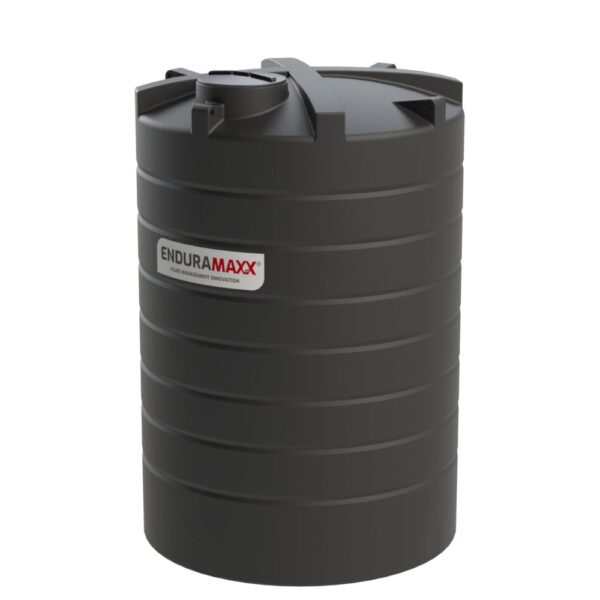
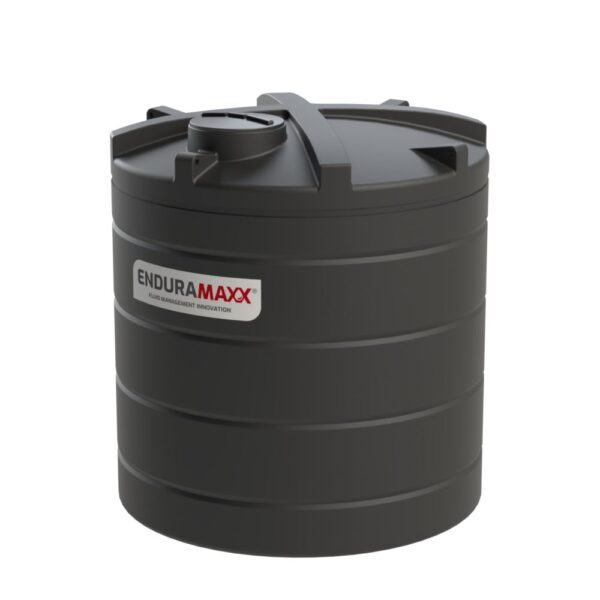
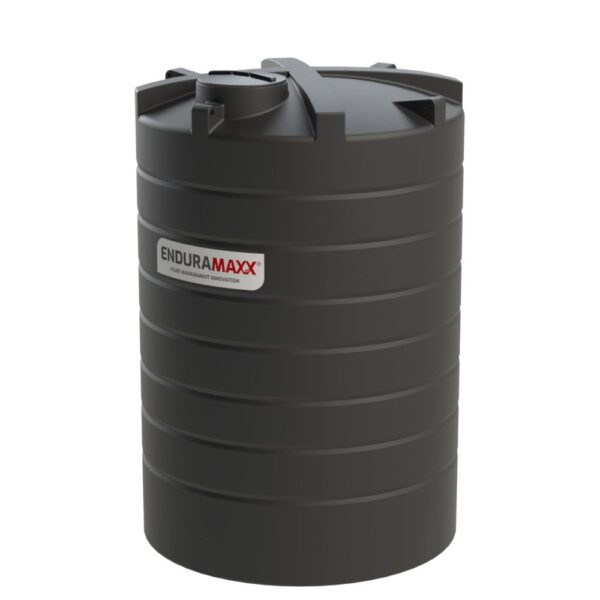
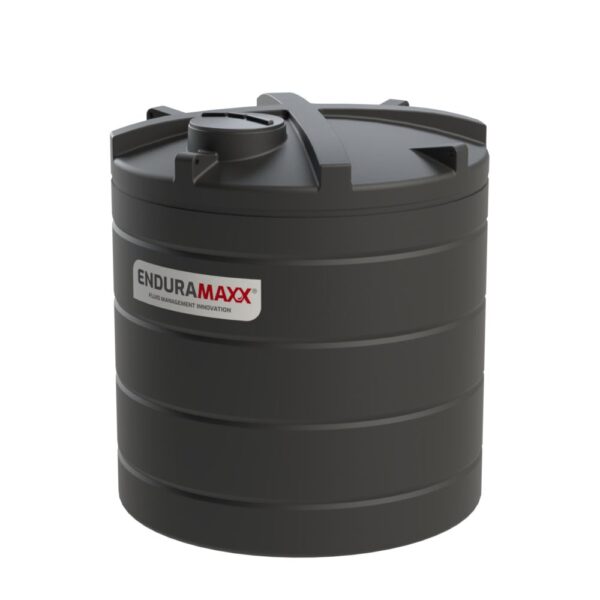


Showing 25–36 of 100 results
What is a water tank and how does it work?
A water tank allows you to store water for drinking, sanitation, agricultural needs or for rainwater collection. Storing water may be necessary in remote areas where access to mains water isn’t possible. It’s also recommended for households that may want to keep an emergency supply of water, or to help reduce water usage and waste.
Tanks are either fixed in one place, or attached to vehicles to allow them to be moved around. Tanks are constructed from a single piece, seamless design to reduce the risk of leakage. Tanks have a lid for filling, and then an outlet pipe that allows water to leave the tank. Tanks can also be upgraded with additional features such as water level indicators.
Water Tanks Frequently Asked Questions
What are water storage tanks used for?
Water tanks are used for a wide range of purposes. The most common use is for potable water storage, which will ensure a reliable supply of clean drinking water. With our non-potable water tanks, use cases are wide ranging, including household sanitation and agricultural uses.
Common uses for water tanks include:
- Residential water for locations where mains connection might not be possible.
- Emergency water supply for disaster preparedness.
- Rainwater collection for household use to help reduce water waste.
- Garden and farming water supply for irrigation and livestock.
- Industrial and commercial use, including storing chemicals or managing wastewater.
What are the different types of water storage tanks?
There are two main types of water storage tanks, designed for potable water and non-potable water. When choosing your water storage tank, you’ll need to consider if you are storing drinking water, or water for another purpose.
The shape and size of the tank is another consideration. We stock horizontal, vertical, slimline and flat water tanks to suit a wide range of needs. For portable water supplies, a baffled water tank will reduce sloshing, which helps with vehicle stability when the tank is full.
How do I determine the right water tank size for a household?
If your water tank is intended for drinking water usage, the size will depend on the number of people in your household and how many days of backup water are required. Calculate your total requirements by multiplying the daily requirement of 130-150 litres per person, and then multiply this by the number of backup storage days required.
For a 3 person household with a requirement of a 2 day backup, you would therefore need
3 x 150 = 450 * 2 = 900 litres
What size water tank do I need in the UK?
The size of the tank will depend on the use requirements. Use the calculations above to determine tank size requirements for a residential property. For collecting rain water for gardening, a smaller tank of around 200 – 300 litres should be sufficient.
For agricultural uses, larger tanks may be required. We stock tanks up to 30,000 litres, which would be recommended for heavy use in a commercial or agricultural setting.
What is the best water tank for a home?
For a residential property, you will first need to determine if you require a tank that will store drinking water, or if you simply need a backup water supply for sanitation. Next, consider where the tank will be housed. We stock vertical and slimline tanks that are ideal for homes with limited space. If
Which rotationally moulded water tank is best for drinking water?
For drinking water, our range of potable water tanks is the best solution for you. They provide clean water storage for drinking and cooking. you need help choosing the right water storage tank for your property, we can assist you.
Should I opt for a vertical or horizontal water tank?
Choosing between a vertical and a horizontal water tank will often depend on where the tank will be placed.
- A vertical tank is ideal for places with limited storage space, as the tank will have a much smaller footprint. The height of the tank will also help provide better water pressure in a gravity-fed system. Vertical tanks are also cheaper, as the even water pressure means that the walls of the tank can be thinner.
- A horizontal tank will provide better stability in exposed areas with high wind, such as on a roof. They’re also excellent for spaces with limited ceiling clearance. When filled, the water pressure will be unevenly distributed, which means they need to be reinforced along the bottom, which can make them more expensive.
What are the installation costs for an underground vs above ground water tank?
Underground tanks have higher associated costs due to the excavation requirements. They can also be more difficult to maintain, and leaks won’t be easily detected, which could lead to contamination of the water. Above ground water tanks often have a very straightforward installation process, although a horizontal tank may require reinforced flooring to support the weight.
Which water tanks last the longest?
Stainless steel and fibreglass tanks will last the longest, often exceeding 40 to 50 years with good care. These are the most expensive tanks. A medium-density polyethylene (MDPE) water tank will typically last around 20 to 30 years, provided they are well maintained. They offer an excellent cost to durability ratio, as they are less expensive than steel or fiberglass alternatives. For large water tanks, plastic is often a better choice due to the weight.
What maintenance do water tanks require?
Tanks should be visually inspected every 6 months to spot signs of structural damage that could lead to leaks, damage to valves or peeling coatings. All tanks should be cleaned annually to remove sediment and buildup from inside the tank. For potable water tanks, the tank will also need to be sterilised and tested regularly to prevent build up of harmful bacteria. It’s essential to keep logs of maintenance and sanitation for commercial and residential settings.